🔥 3D Printer Black Friday Deals: picks worth watching →
You have a Prusa MK3 and you are ready to print in PLA, but the first layer is giving you trouble. Maybe the filament lifts at the corners, or the bottom surface looks rough. The build plate is the foundation of every successful print, and choosing the right one makes all the difference. In this guide, we evaluate the best PLA for Prusa MK3 by focusing on the top-rated build plates that deliver reliable adhesion, easy release, and a great finish. Whether you are a beginner or a seasoned maker, these sheets will upgrade your printing experience. For more tips on getting started, check out our guide to the best 3D printer with multiple colors.




What will your print cost? Use our filament cost calculator.
Buying Guide
Adhesion and Release
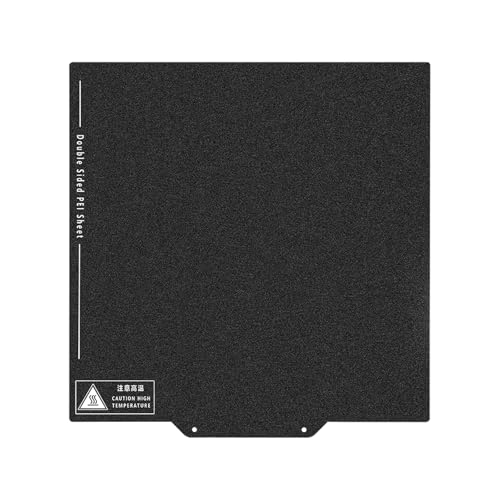
The primary job of a build plate is to hold your PLA firmly during printing and then let it go easily when done. PEI surfaces are known for excellent adhesion without glue or tape. A smooth PEI sheet gives a glossy bottom, while textured or satin finishes offer a matte look. Look for double-sided spring steel sheets that flex to pop off prints, saving you time and frustration. For a broader look at 3D printing materials, explore our FDM 3D printers category.
Material Compatibility
While PLA is the focus, a versatile build plate handles other filaments too. If you plan to print PETG, ABS, or TPU later, choose a sheet rated for those materials. Satin PEI is a great all-rounder, working well with PLA, PETG, and ABS without needing to switch surfaces. This flexibility saves money and storage space. For beginners, check out our beginner 3D printers guide for more tips.
Durability and Longevity
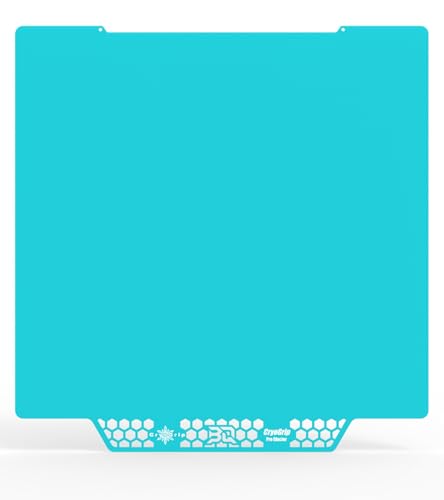
A build plate that wears out quickly is a poor investment. Spring steel with a robust PEI coating can withstand hundreds of prints if handled with care. Avoid sanding the surface, and clean it with isopropyl alcohol or warm water as needed. Plates with multiple layers of coating, like the BIQU CryoGrip Pro Glacier, offer extra impact resistance and corrosion protection, extending the service life significantly.
Ease of Use and Maintenance
A good build plate should be simple to install and maintain. Magnetic adhesion keeps the sheet in place during printing, and the ability to remove it while hot allows for quick swaps. Some plates feature handles or cutouts for safe handling. Regular cleaning with a gentle solvent restores adhesion, making the plate last longer. For more on printer maintenance, see our creality vs bambu.
Final Thoughts
Choosing the right build plate for your Prusa MK3 is about matching your needs: for a glossy, professional finish with reliable PLA adhesion, the Smooth PEI Print Sheet for Prusa CORE One & MK4S from ORIGINAL PRUSA is a top contender; if you want an affordable, high-performance upgrade with excellent first-layer grip and easy removal, the BIQU CryoGrip Pro Glacier for Prusa delivers remarkable results without breaking the bank. Whichever you choose, you will enjoy better prints and fewer headaches.
Frequently Asked Questions
Do I need a special build plate for PLA on Prusa MK3?
No, the stock Prusa MK3 comes with a PEI sheet that works fine for PLA. However, upgrading to a smooth or satin PEI sheet can improve adhesion and finish, especially if your current plate is worn. As of 2026, many users prefer double-sided spring steel sheets for their flexibility and durability.
Can I use the BIQU CryoGrip Pro Glacier with other filaments besides PLA?
Yes, the CryoGrip Pro Glacier is compatible with PLA, PETG, ABS, PA, and more. However, its adhesion is slightly less strong with PLA and PETG compared to the Frostbite version. It works well for most materials and is designed for low-temperature printing, reducing warping.
How do I clean my Prusa MK3 build plate?
For best results, clean the plate with isopropyl alcohol before each print. If adhesion drops, wash it with warm water and mild soap, then dry thoroughly. Avoid using acetone on PEI sheets, as it can damage the coating. For more cleaning tips, visit our resin 3D printers guide.
What is the difference between smooth PEI and satin PEI?
Smooth PEI gives a glossy bottom surface and excellent adhesion for PLA. Satin PEI has a fine powder coating that produces a semi-matte finish and works well with a wider range of materials, including PETG and ABS. The choice depends on your preferred finish and material versatility.