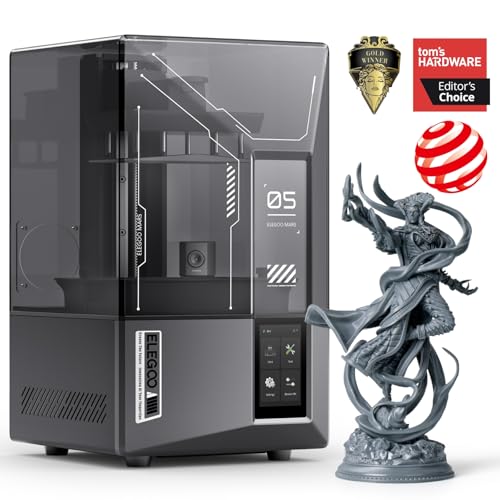

You have a new 3D printer, and you are eager to bring your designs to life. But with so many filament options on the market, choosing the right material can feel overwhelming. This guide covers the best 3D printer filament for 2026, focusing on top brands like SUNLU, AMOLEN, and Creality. Whether you are a beginner or a seasoned maker, we have you covered. For those just starting out, check out our guide to the best 3D printer for beginners as well.



Buying Guide
Filament Material and Properties
The material of your filament determines its strength, flexibility, and print quality. PLA is the most popular choice for beginners due to its low warping and ease of use. For more durable parts, PETG offers higher impact resistance and temperature tolerance. Silk PLA provides a luxurious, shiny finish ideal for decorative prints. Consider your project needs: functional prototypes benefit from PETG, while artistic models shine with silk or matte PLA.
Diameter Tolerance and Consistency
Precision matters in 3D printing. Filaments with tight diameter tolerance (e.g., +/- 0.02 mm) ensure smooth extrusion and consistent layer adhesion. Inconsistent diameter can cause clogs, under-extrusion, or stringing. Leading brands like SUNLU and ELEGOO maintain strict quality control, delivering reliable performance every time. This is especially critical for detailed prints where every layer counts.
Spool Size and Color Variety
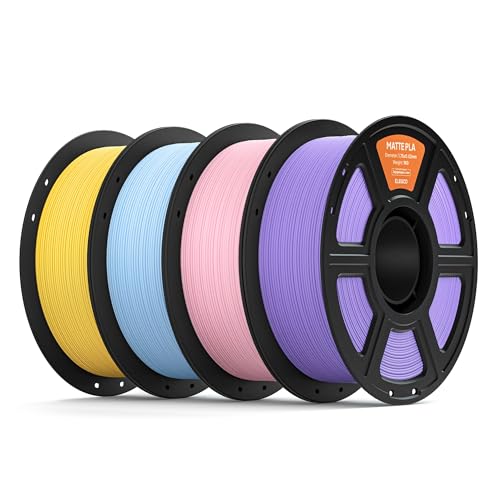
Filament bundles offer excellent value, especially for multicolor projects. Options like 250g mini spools allow you to experiment with multiple hues without committing to full 1kg rolls. For larger prints, standard 1kg spools are cost-effective. Consider bundles that include a range of colors, such as the SUNLU 16-color pack, to expand your creative possibilities. For more on choosing the right printer, see our top 3D printer picks.
Ease of Use and Compatibility
Not all filaments work seamlessly with every printer. Look for materials that are compatible with most FDM 3D printers, especially if you are using a popular model. Features like neat winding, vacuum-sealed packaging, and low warping reduce frustration. Brands like Creality and ANYCUBIC design their filaments for broad compatibility, ensuring smooth printing from the first layer. For more tips, visit our 3D printer filament category.
Final Thoughts
Selecting the right filament transforms your 3D printing experience. For vibrant, multicolor projects with a silky finish, we recommend the AMOLEN Silk PLA 3D Printer Filament Bundle for its stunning dual-color effects and precision. If you prioritize durability and strength for functional parts, the Creality PETG Filament 1.75mm, Black & White offers excellent impact resistance and a glossy finish. Whichever you choose, these top picks ensure reliable, high-quality results for every project.
Frequently Asked Questions
What is the best 3D printer filament for beginners in 2026? PLA is the best choice for beginners due to its low warping, minimal odor, and ease of printing. Brands like SUNLU and ELEGOO offer reliable PLA filaments with tight tolerances, making them ideal for learning.
How do I choose between PLA and PETG filament? PLA is perfect for decorative models and prototypes, while PETG offers higher strength and temperature resistance for functional parts. If you need durability, go with PETG; for easy printing and a smooth finish, stick with PLA.
Can I use multicolor filament bundles for small projects? Yes, bundles with 250g spools are excellent for small prints, multicolor models, and test runs. They let you experiment with various colors without waste. For more tips, check our beginner 3D printer guide.
What does filament diameter tolerance mean and why does it matter? Diameter tolerance measures how consistent the filament thickness is. A tolerance of +/- 0.02 mm ensures smooth extrusion and prevents clogs. Higher tolerance filaments deliver more reliable prints, especially for detailed designs.