
You have a design that needs to ship tomorrow, but your current printer takes forever and the finish looks rough. You are not alone. Finding the best 3D printer for quality and speed means balancing two factors that often pull in opposite directions. This guide cuts through the noise to highlight machines that deliver both, so you can print faster without sacrificing detail.
We evaluated top models from FLASHFORGE, Creality, and ORIGINAL PRUSA, focusing on real-world performance, ease of use, and reliability. Whether you are a hobbyist or a professional, these picks will help you upgrade your workflow. For a broader look, check our guide for adult beginners if you are just starting out.


Buying Guide: What to Look For
Print Speed vs. Quality
Speed is measured in millimeters per second (mm/s), but high speed can cause ringing or layer shifts. Look for features like input shaping and vibration compensation. These technologies let a printer move fast while keeping edges sharp. The FLASHFORGE AD5X and Creality K2 series reach 600 mm/s, but they also include smart calibration to maintain quality.
For most users, a speed of 300 to 600 mm/s is more than enough. Remember, faster printing also requires a sturdy frame and precise motion system. If you plan to print large parts, check our best large-print models for extra build volume.
Build Volume and Material Compatibility
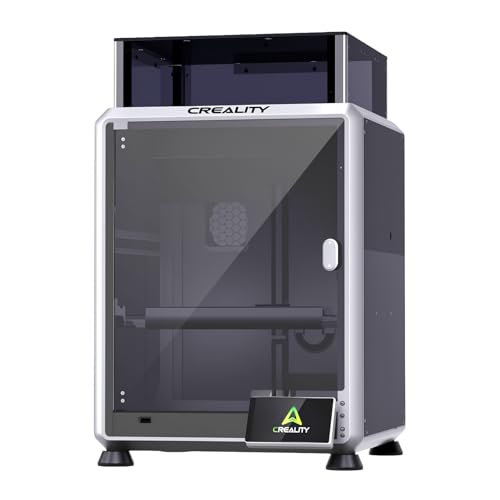
Consider what you will print. A 220x220x220 mm volume works for most projects, but if you need bigger prototypes or batch printing, look for 300x300x300 mm options like the Creality K2 Pro. Also check the extruder temperature; a 300°C direct-drive extruder handles advanced materials like nylon and carbon fiber. For more on tough filaments, see our carbon fiber printer guide.
Multi-Color and Multi-Material Features
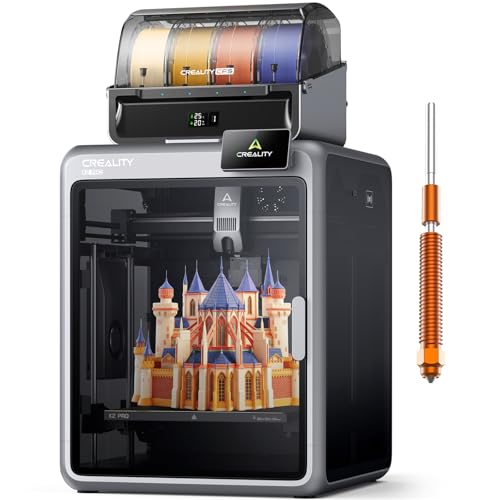
Multi-color printing adds a new dimension to your projects. Systems like the Creality CFS allow up to 16 colors, while the FLASHFORGE AD5X supports 4 colors. These systems use multiple filaments and can switch automatically. This feature is great for signs, prototypes, and artistic pieces. If you are into cosplay, our cosplay armor guide shows how multi-color can save time.
Ease of Use and Smart Features
Auto-leveling, filament runout detection, and resume printing are must-haves for a smooth experience. Look for machines with one-click leveling and a built-in camera for remote monitoring. The FLASHFORGE AD5M Pro and Creality K2 Pro offer these conveniences, making them ideal for beginners and busy professionals. For more tips, read our nylon printing guide to see how smart features help with tricky materials.
Final Thoughts
Choosing the best 3D printer for quality and speed depends on your specific needs. For a versatile multi-color workhorse, the FLASHFORGE AD5X Multi-Color 3D Printer offers excellent speed and detail at a friendly price. If you need a larger build volume and industrial-grade reliability, the Creality K2 Pro Combo (A) 3D Printer is a top pick with its active heating and dual AI cameras. Both machines deliver outstanding results, so you can focus on creating, not waiting.
Frequently Asked Questions
What is the best 3D printer for quality and speed in 2026?
The FLASHFORGE AD5X and Creality K2 Pro are leading contenders. They combine 600 mm/s speeds with smart features like auto-leveling and vibration compensation, ensuring high-quality prints every time.
Can fast 3D printers produce detailed models?
Yes, modern fast printers use input shaping and advanced firmware to reduce artifacts. Models like the Original Prusa MK4S are known for excellent surface finish even at higher speeds.
What is a good print speed for a balance of quality and speed?
A speed of 150 to 300 mm/s is a sweet spot for most users. It allows for good detail while cutting print times significantly. For production, speeds up to 600 mm/s are possible with the right machine.
Do I need a heated chamber for quality prints?
Not always, but it helps with materials like ABS and nylon. The FLASHFORGE Creator 5 Pro and Creality K2 Pro feature active chamber heating, which reduces warping and improves layer adhesion.