

🔥 3D Printer Black Friday Deals: picks worth watching →
You have been printing with PLA and ABS, but you want a material that combines the best of both worlds without the hassle. This Creality PETG filament properties review for 2026 will help you understand if this versatile filament is the right choice for your projects. Whether you are a hobbyist or a professional, knowing the strengths and weaknesses of PETG is key to achieving high-quality prints.



What will your print cost? Use our filament cost calculator.
Buying Guide
Assess Toughness and Impact Resistance
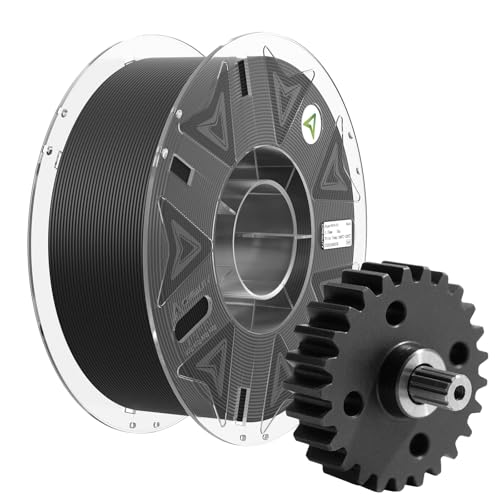
PETG filament is known for its enhanced toughness, which resists cracking and warping during printing. This property is ideal for functional parts that need to withstand repeated bending or stress. For more details on how PETG compares to other materials, see our creality PETG filament review.
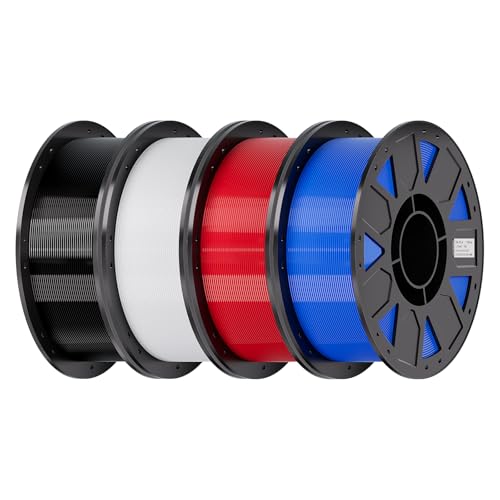
Look for filaments that specify high impact resistance and low shrinkage. Creality’s PETG options, like the 4KG multi-pack, emphasize these qualities, ensuring your models remain durable over time.
Evaluate Clarity and Finish
If your project requires transparency or a glossy finish, PETG is an excellent choice. Its high clarity makes it perfect for lampshades, display cases, and other visually detailed items. The surface finish is smooth and glossy, enhancing the final appearance.
When selecting a PETG filament, check for descriptions that mention high transparency and light transmission. The Creality PETG 1.75mm spools, such as the 2KG Black & White pack, deliver outstanding optical properties for transparent parts.
Check Compatibility and Print Reliability
Most FDM 3D printers accept 1.75mm filament, but it is wise to confirm compatibility. Creality PETG filaments are designed for broad use with printers like the Ender series, CR series, and others. They are vacuum-sealed and dried to minimize bubbling and clogging, ensuring consistent extrusion.
For a comparison with other filaments, read our creality PLA plus review to see how PETG stacks up against PLA and ABS blends. The Creality PETG CF variant offers carbon fiber reinforcement for even greater strength, as covered in the creality PETG CF review.
Final Thoughts
After evaluating the Creality PETG filament properties, we recommend the Creality PETG Filament 1.75mm 4KG for users who want a versatile multi-color pack with excellent toughness and clarity. For those on a budget or needing a smaller quantity, the Creality PETG Filament 1.75mm 2KG, Black & White offers the same high quality at a lower entry point. Both options provide reliable, odorless, and safe printing for a wide range of applications.
Frequently Asked Questions
What are the main advantages of PETG over PLA? PETG offers higher impact resistance, temperature resistance, and transparency compared to standard PLA. It also has lower shrinkage, reducing warping and curling in prints.
Can I use Creality PETG filament on any FDM printer? Yes, the 1.75mm diameter is compatible with most FDM printers, including Creality Ender and CR series, MK3, ELEGOO, and Anycubic models. For optimal results, follow the recommended printing temperature of 220-250°C.
How should I store PETG filament to maintain its quality? Store it in a dry, ventilated area away from high temperatures, direct sunlight, and humidity. Vacuum-sealed packaging helps keep it moisture-free, but once opened, use a filament dryer if needed.
Is PETG filament safe for food contact or medical use? PETG is non-toxic and chemically resistant, making it safe for everyday items. However, for food contact or medical applications, verify specific certifications. For more on material safety, see our creality PLA filament review for comparison.


