

🔥 3D Printer Black Friday Deals: picks worth watching →
You have a workshop full of ideas, but the right tool can make all the difference. Whether you are crafting custom gifts, starting a small business, or prototyping for a larger project, a reliable CO2 laser machine turns your digital designs into tangible, professional results. This guide reviews the best CO2 laser machine options available in 2026, covering compact desktop units for hobbyists and larger systems for commercial use. We have evaluated models from leading brands including OMTech, xTool, and VEVOR to help you find your perfect match.
If you are new to laser engraving, check out our beginner’s guide on how to use a laser engraver for helpful tips.
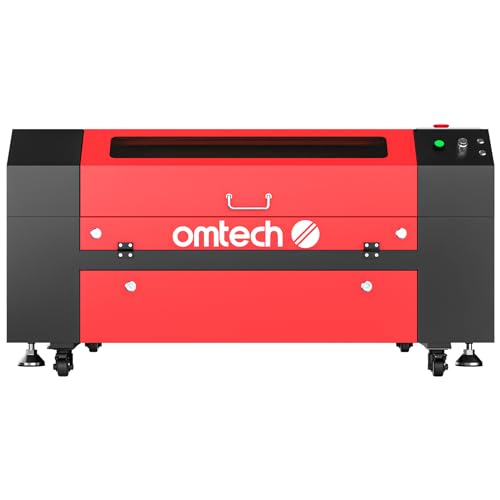
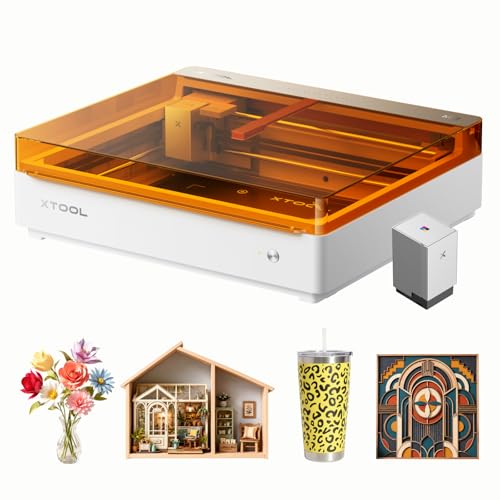


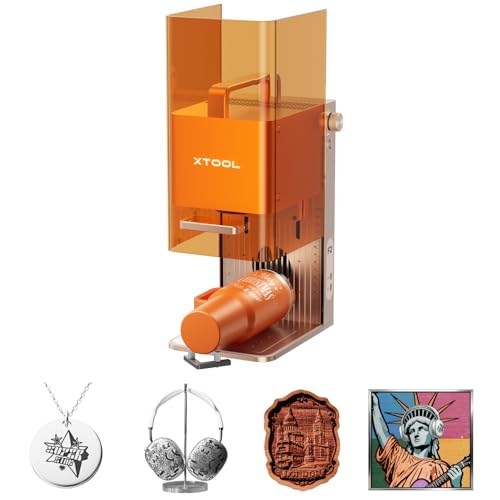
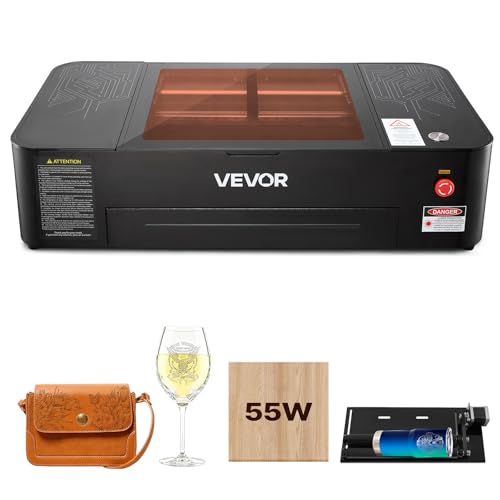

Buying Guide: How to Choose the Best CO2 Laser Machine
1. Power and Laser Tube Type
The wattage of the CO2 laser tube directly determines what materials you can cut and how fast. For hobbyists cutting thin wood and acrylic, a 40W to 60W machine is often sufficient. For thicker materials or faster production, consider 80W or higher models. Higher power also enables deeper engraving on harder surfaces. For a deeper dive, read our OMTech 60W laser tube review for performance insights.
2. Work Area Size and Pass-Through Capability
Your project size dictates the required work area. Desktop machines like the OMTech K40+ offer a compact 12″x8″ space, ideal for small crafts. Larger models, such as the VEVOR 80W with a 20″x28″ bed, handle bigger signs and furniture panels. Pass-through doors let you work on extra-long materials, expanding your creative possibilities.
For a detailed look at expandable work areas, see our xTool P2S working area review.
3. Software Compatibility and Ease of Use
Most CO2 laser machines work with popular design software like LightBurn, LaserGRBL, and RDWorks. Beginners should look for machines with intuitive software and pre-loaded templates. Advanced users benefit from full control over settings. Built-in cameras and auto-focus simplify alignment, reducing material waste.
4. Safety Features and Ventilation
Safety is paramount when using any laser cutter. Look for enclosed designs with flame-retardant materials, emergency stop buttons, and door interlocks. An integrated air assist system clears smoke and debris, protecting the lens and reducing fire risk. Proper exhaust fans or external ventilation keep your workspace clean and safe.
If you are on a tight budget, explore our guide to the cheapest CO2 laser cutter for affordable options.
Final Thoughts
Choosing the best CO2 laser machine depends on your specific needs, from power and workspace to software and safety. For hobbyists and small businesses seeking a balance of performance and value, the OMTech K40+ 45W Desktop CO2 Laser Engraver offers reliable cutting and engraving with excellent support. If you need a larger, more powerful system for commercial projects, the VEVOR 80W CO2 Laser Engraver, 20 x 28 provides a spacious work area and robust features to handle demanding tasks. Both models represent excellent choices in their respective categories, and we are confident either will elevate your creative workflow.
Frequently Asked Questions
What materials can a CO2 laser machine cut?
A CO2 laser machine excels at cutting non-metal materials like wood, acrylic, leather, fabric, paper, cardboard, and some plastics. It can also engrave on glass, stone, and coated metals. Avoid cutting PVC or vinyl as they release toxic fumes.
How long does a CO2 laser tube last?
Most CO2 laser tubes last between 1,000 to 3,500 hours of use, depending on the quality and how often you run them at full power. Proper maintenance and cooling can extend the lifespan. For more details, read our OMTech 60W laser tube review.
Is a CO2 laser machine safe for home use?
Yes, with proper precautions. Always use a machine with an enclosed design, air assist, and adequate ventilation. Many desktop models are Class 1 or Class 2 laser products, meaning they are safe for home use when operated according to the manufacturer’s instructions.
What is the difference between a CO2 laser and a diode laser?
CO2 lasers are generally more powerful and can cut thicker materials like acrylic and wood. Diode lasers are less powerful but more compact and affordable, ideal for engraving and cutting thin materials. For a comparison, see our xTool vs OMTech.


