🔥 3D Printer Black Friday Deals: picks worth watching →
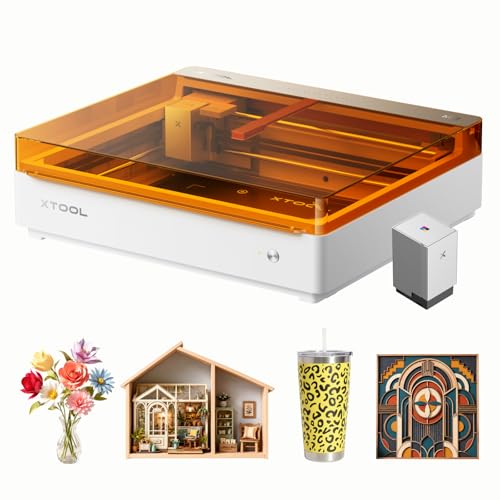
If you are sizing up a desktop CO2 laser for your workshop, the working area often determines what you can create. This xTool P2S working area review walks through the generous 26″ by 14″ bed, the passthrough system for long materials, and the accessories that expand or protect that space. Whether you are a small business owner or a dedicated hobbyist, knowing the real usable area helps you decide if this machine fits your projects.




Buying Guide
Bed Size and Passthrough Capability
The xTool P2S ships with a 26″ by 14″ honeycomb working bed, which is already generous for a desktop unit. What sets it apart is the auto-passthrough feature: you can feed materials up to 118″ long through the machine, enabling continuous engraving on items like long wooden planks or signage. For small business owners looking to scale, this expandable work area is a major advantage over fixed-bed competitors. For more on how this compares to other models, see our best CO2 laser cutter for small business guide.
Honeycomb Panels and Workholding
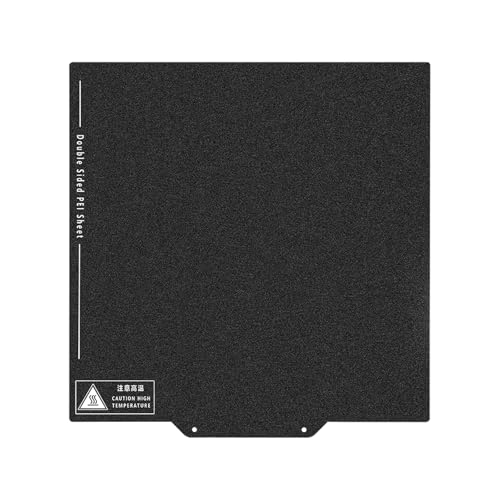
A flat, sturdy honeycomb panel prevents cut pieces from falling into the machine and catching fire. The official xTool P2 Honeycomb Working Panel 2.0 is a perfect fit, while third-party options like the SKOUPHY Update P2 panel offer a similar 605 by 300 mm area with added fixing pins. Both options include scale rulers for quick measurements and can hold materials securely during engraving. If you work with small parts in batches, a dedicated panel saves cleanup time and reduces waste.
Riser Base for Tall Objects
The standard P2S bed limits you to objects under about 2.5 inches in height. Adding the xTool P2 Riser Base lifts the lid to accommodate workpieces up to 8.4 inches tall, opening up possibilities for engraving thick wood slabs, briefcases, or even stacked items. The riser also includes side storage for accessories like the RA2 Pro rotary. For a deeper look at how the P2S handles thick materials, check our OMTech 60W maker review for a comparison of CO2 laser capabilities.
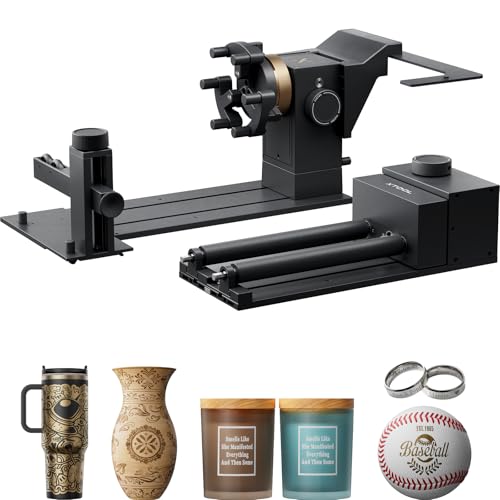
Rotary Attachments for Cylindrical Work
Engraving tumblers, wine glasses, or rings requires a rotary attachment. The xTool RA2 Pro works with the P2S and handles most cylindrical objects up to a certain diameter, while the newer xTool RA3 offers a magnetic quick-swap system for rings, spheres, and rollers. Both require the riser base for proper clearance. If you plan to offer personalized drinkware or awards, a rotary is a must-have addition to your working area. For more on laser maintenance, see our OMTech 60W laser tube review.
Final Thoughts
The xTool P2S working area is versatile enough for both flat sheets and long, tall, or round objects, especially when paired with the right accessories. For users who need maximum flexibility out of the box, the xTool P2S 55W CO2 Laser Cutter All-in-One Bundle includes the riser base, conveyor feeder, and RA3 rotary, covering nearly every project scenario. If you prefer a more budget-friendly start and plan to add accessories over time, the standalone xTool P2S 55W CO2 Laser Cutter gives you the same core work area with room to grow.
Frequently Asked Questions
What is the maximum material length the xTool P2S can handle?
The auto-passthrough allows you to engrave or cut materials up to 118 inches long, making it ideal for long signs, trim, or continuous patterns.
Do I need a riser base to use a rotary attachment with the P2S?
Yes, both the RA2 Pro and RA3 rotary attachments require the riser base to provide enough clearance for cylindrical objects. Without it, the lid cannot close fully.
Can I use third-party honeycomb panels on the xTool P2S?
Yes, panels like the SKOUPHY Update P2 panel are designed to fit the 605 by 300 mm bed and include fixing pins for small parts. Just ensure the panel is rated for CO2 laser use to avoid fire hazards.
How does the P2S working area compare to the original P2 model?
The P2S retains the same 26″ by 14″ bed as the P2 but adds improved airflow and a dual-cylinder air pump for sharper cuts. The working area itself is identical, but the P2S offers better performance for demanding materials in 2026.