🔥 3D Printer Black Friday Deals: picks worth watching →
You are ready to start creating custom decals, signs, or apparel, but you need a machine that can handle vinyl with precision and speed. This guide reviews the best vinyl cutter machine options for 2026, covering models from entry-level to professional. Whether you are a hobbyist or a small business owner, we have selected the top contenders to help you make an informed choice.
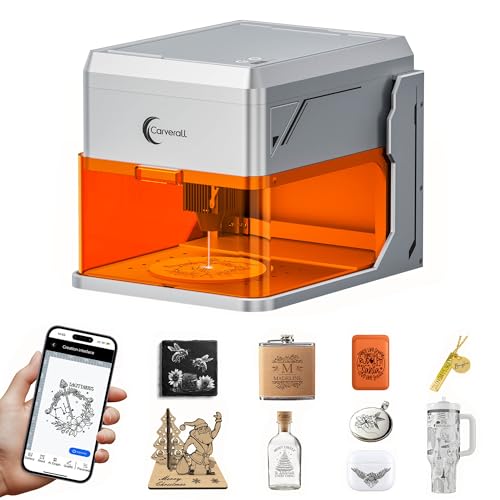
We focused on power, precision, ease of use, and safety features. Our picks include the xTool S1, ELIDOR, LONGER, and BlazeX models, each offering unique strengths for different needs. For a deeper look at budget-friendly options, see our best budget diode laser engraver picks.




Buying Guide
Laser Power and Speed
Laser power determines how quickly and deeply you can cut or engrave materials. For vinyl, a 5W to 10W diode laser is usually sufficient for detailed cuts. Higher power, like the 40W xTool S1, allows cutting thicker materials in a single pass. Speed is also critical; look for machines with engraving speeds of at least 600mm/s for efficient workflow.
For high-speed projects, the BlazeX M3 10W offers a balance of speed and precision. For a more affordable option, check our best inexpensive laser engraver picks.
Engraving Area and Precision
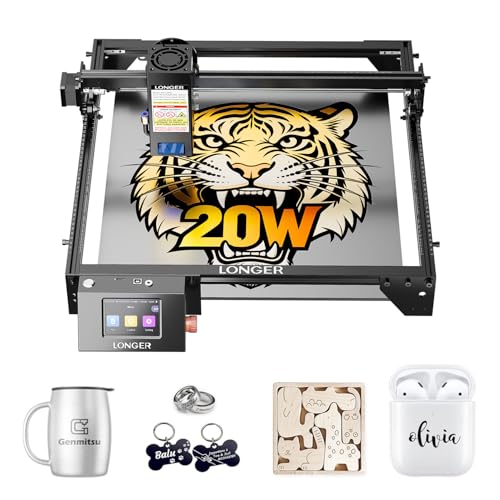
The working area determines the maximum size of your projects. A 300x300mm bed is common for small to medium vinyl decals. Precision, measured in microns, affects detail; 0.01mm accuracy ensures crisp text and fine lines. The LONGER Ray5 20W offers a spacious 400x365mm area with ultra-fine detail, ideal for large signs.
If you work with tumblers or cylindrical items, consider a model with rotary capabilities, like the xTool S1. For compact setups, the ELIDOR 6000mW is portable and precise.
Safety and Ease of Use
Class 1 safety certification means the machine is enclosed and safe for home use, with no need for goggles. Features like auto-focus, intuitive software, and emergency stops make operation beginner-friendly. The BlazeX M3 5W includes a honeycomb bed and protective enclosure for safe, quiet operation.
For more on safety and user-friendly models, browse our best cheap laser engraver picks.
Software Compatibility
Good software support is essential for importing designs and controlling settings. Look for compatibility with LightBurn, LaserGRBL, or proprietary apps like xTool Creative Space. Wi-Fi, USB, and offline modes add flexibility. The LONGER Ray5 10W supports multiple connectivity options, making it versatile for different workflows.
For small business use, software with batch processing can save time. If you need a CO2 laser for larger vinyl rolls, see our best CO2 laser cutter for small business guide.
Final Thoughts
Choosing the best vinyl cutter machine depends on your project scale and budget. For professional-grade speed and power, the xTool S1 40W Laser Cutter and Laser Engraver stands out with its 40W laser and large bed. For a more affordable yet capable option, the BlazeX M3 5W Laser Engraver Machine for Beginner offers excellent precision and a complete starter kit. Both are reliable choices for vinyl cutting and engraving in 2026.
Frequently Asked Questions
Can a laser engraver cut vinyl?
Yes, many diode laser engravers can cut thin vinyl sheets, though some vinyl may release harmful fumes. Always check material safety and use ventilation. For best results, use laser-safe vinyl designed for cutting.
What is the best wattage for vinyl cutting?
For most vinyl projects, a 5W to 10W diode laser works well. Higher wattage, like 20W or 40W, cuts faster and can handle thicker materials. In 2026, models like the LONGER Ray5 20W offer a good balance for both vinyl and other materials.
Do I need a rotary attachment for tumblers?
If you plan to engrave cylindrical items like tumblers or bottles, a rotary attachment is essential. The xTool S1 includes a rotary bundle for this purpose. For more on engraving curved surfaces, check our budget laser engraver guide.
How long do laser engravers last?
Diode laser modules typically last 10,000 to 20,000 hours. The xTool S1 has undergone over 71,830 hours of rigorous validation for durability. Proper maintenance, like cleaning the lens and ensuring ventilation, extends lifespan.